Angora Rabbits in Permaculture: Wool and Garden Benefits
Here at our farm, we selected Angora rabbits to be a part of our permaculture system. Why? From their incredibly soft wool to their nutrient-rich droppings, these adorable, quirky bunnies help us craft beautiful products and keep our gardens thriving.
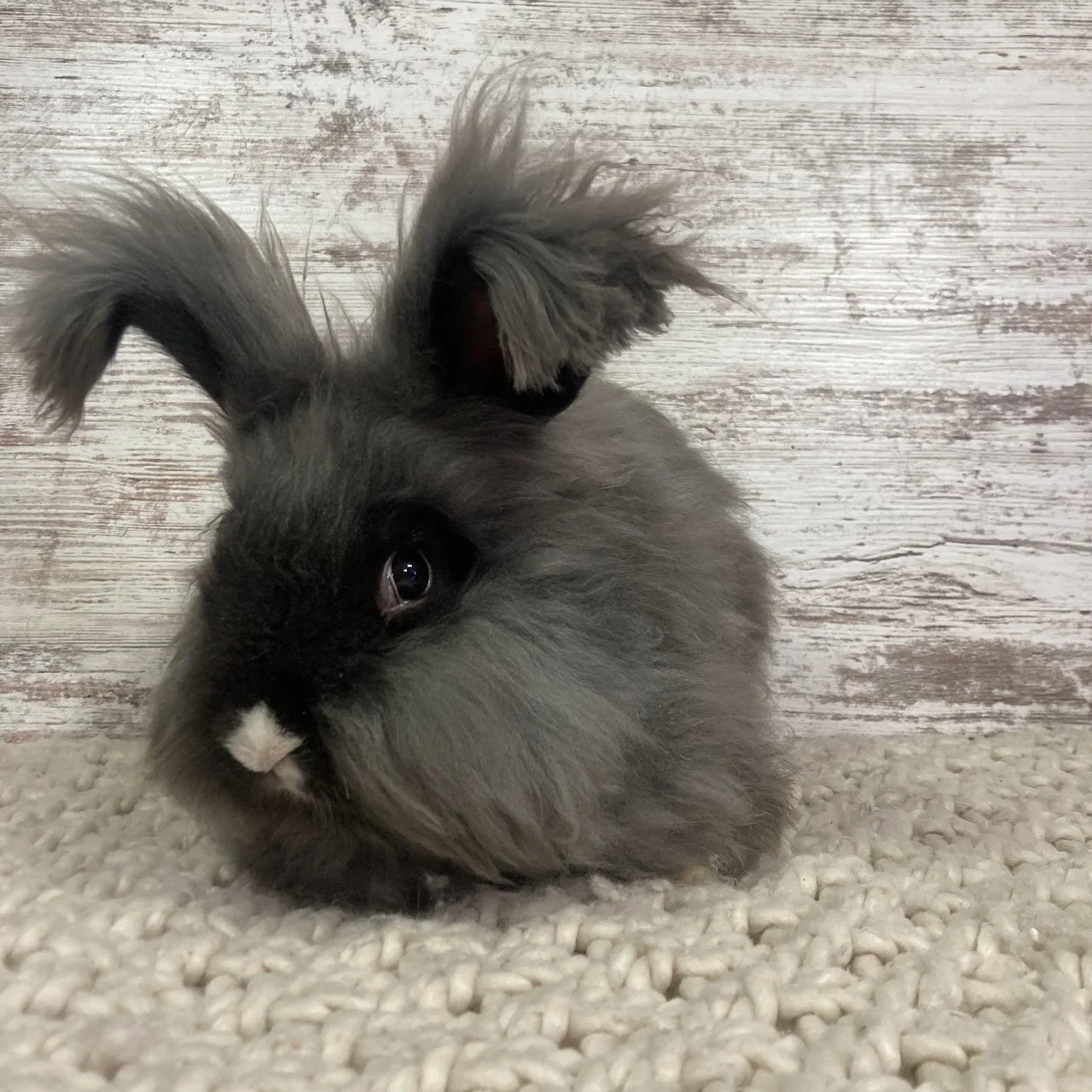
Happy Rabbits, Warm Wool
We raise our Angora rabbits to produce some of the softest and warmest natural fibers available. We maintain our rabbits' coats on a daily basis, meticulously caring for their wool to keep them clean and comfortable. About every 90 days, we fully harvest their wool as part of their natural shedding process through either gentle de-shedding or shearing. The wool we collect is either sold as raw fleece or spun into yarn for knitting and weaving, which we use for our own crafts and products, or offer to others who love working with natural fibers.
Our Angora wool is an incredibly sustainable, natural textile. It’s light, warm, and has a beautiful natural shine that makes it perfect for creating items like scarves, hats, and gloves. It can also be blended with other fibers to add versatility and create larger pieces. This means that every bit of wool from our rabbits gets used, either on our farm or shared with others who value sustainable, natural textiles. Unlike larger wool industries, our rabbits are treated with care and live comfortable, happy lives, aligning with our permaculture values of working with nature and creating sustainable, closed-loop systems.
Using Rabbit Droppings in Our Garden
One of the best parts of raising Angora rabbits is how valuable their droppings are. Rabbit manure can be used directly in the garden without needing to compost it first. This is a big advantage, as it gives plants an instant boost of nutrients without any risk of burning. We regularly collect our rabbits’ droppings, spread them around our garden beds, and also sell them so that our customers can use this natural fertilizer in their own gardens.
Rabbit droppings are rich in nitrogen, phosphorus, and potassium… all the nutrients plants need to grow strong and healthy. The high nitrogen content is great for leafy growth, phosphorus supports strong root systems, and potassium helps resist diseases. Rabbit manure is considered a 'cold' compost because it doesn’t need to be composted before use, unlike 'hot' manures such as those from cows or chickens. Hot manures have higher ammonia content and can burn plants if applied directly, requiring a composting process to break down the nitrogen. Rabbit droppings, on the other hand, are lower in ammonia and break down slowly, releasing nutrients gradually without harming the plants. Plus, because it doesn’t need to be composted, it’s quick and easy to apply.
The droppings are also full of beneficial microorganisms that help enrich the soil. These tiny helpers break down organic matter and improve soil health and structure. By adding rabbit manure to our gardens, we create a healthier soil ecosystem that keeps our plants thriving naturally, without the need for synthetic fertilizers.