First Year Farming: Lessons, Growth, and Community
Starting a farm for the first time is an adventure, full of wonder and a fair share of challenges. For us at 13th Crow Craft Co., diving into farming wasn't just about putting seeds in the soil—it was about learning to listen to the land, and the lessons that only trial and error can teach. When you’re beginning a farming journey, it’s easy to be overwhelmed by choices, investment decisions, and the unpredictability of nature. But as we’ve discovered, the rewards that come from working with the earth and connecting to our community make every mistake and every growing pain worthwhile.
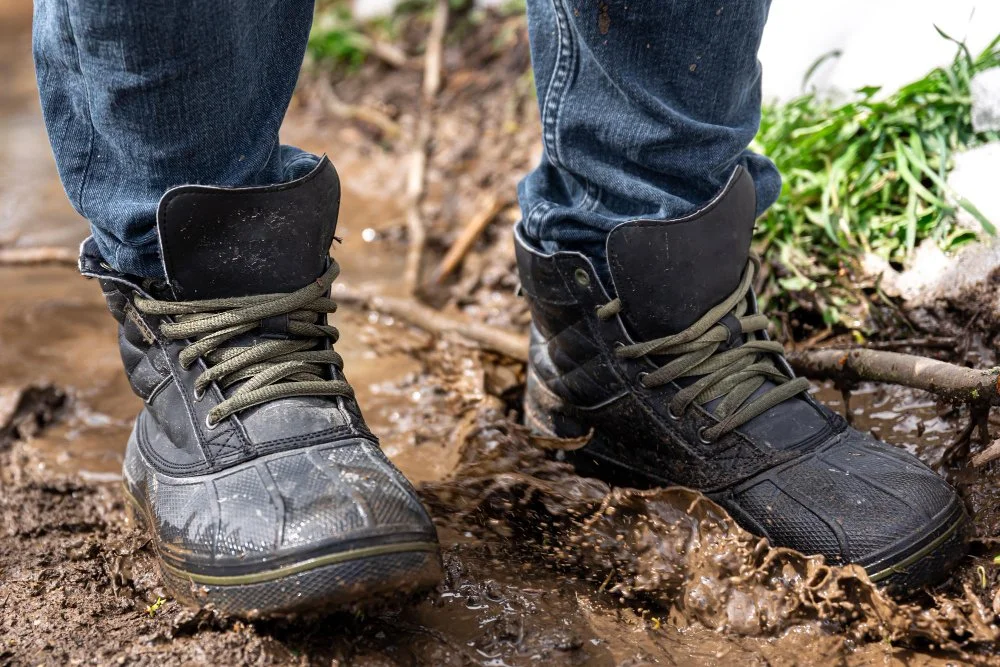
Take root, and nurture a new beginning.
Deciding What to Invest in First
One of the biggest early challenges we faced was figuring out where to start and how much to invest. The world of farming offers countless options—livestock, vegetables, flowers, herbs—and each requires its own unique set of equipment, infrastructure, and skills. We had to decide whether to focus our resources on soil quality, irrigation systems, seeds, or perhaps even livestock first. Our initial approach was simple: start small and expand slowly. We invested in some of the basics—a good tiller, composting bins, and a few raised garden beds. Then came seeds, saplings, and eventually, our beloved hens and Angora rabbits.
The key lesson here was not to rush. Farming, by nature, demands patience, and we learned to align our expectations with the pace of the seasons. Prioritizing investments in infrastructure that would support our long-term goals—like the chicken tractors that both house our hens and enrich our soil—helped us grow more sustainably and avoid burning out financially or physically.
The Trials of Growing and Blending
It turns out that growing plants and creating herbal blends is equal parts science and art. We began with a vision of using herbs to soothe the mind and ease everyday ailments, while immersing ourselves in the wisdom of local foragers and herbalists to expand our knowledge and share it with others. What we didn’t realize was how much trial and error would be involved in finding the perfect recipes.
Growing herbs, for instance, isn't just about putting seeds in soil and waiting for sunshine and rain. Sometimes the soil is too compact, the pH isn’t quite right, or an unexpected storm drenches everything. We learned to experiment with soil amendments, to build drainage into our garden beds, and to research each plant’s particular needs. Some herbs thrived, while others didn’t quite make it—and that was okay. We harvested what we could, composted those we couldn't, made notes on what went wrong, and started again (..and again).
Then came the blending process. Creating our first herbal tea mixes was a journey full of surprises. One blend might have been too bitter, another too floral—and balancing flavors involved a lot of tasting and adjusting. Making our DIY candle scents was no different: what smelled lovely in the bottle might be overpowering once poured, and sometimes our favorite combinations didn't quite behave in wax the way we hoped. It was all part of the journey, with each mistake leading to a better product and a deeper understanding of our craft.
The Upside: Working with Nature and Community
Despite the trials, the rewards of farming have far outweighed the challenges. There’s something undeniably magical about watching your efforts grow into something tangible. The feeling of running your hands through rich, freshly-turned soil that you know is healthier because of the work you’ve put in is incomparable.
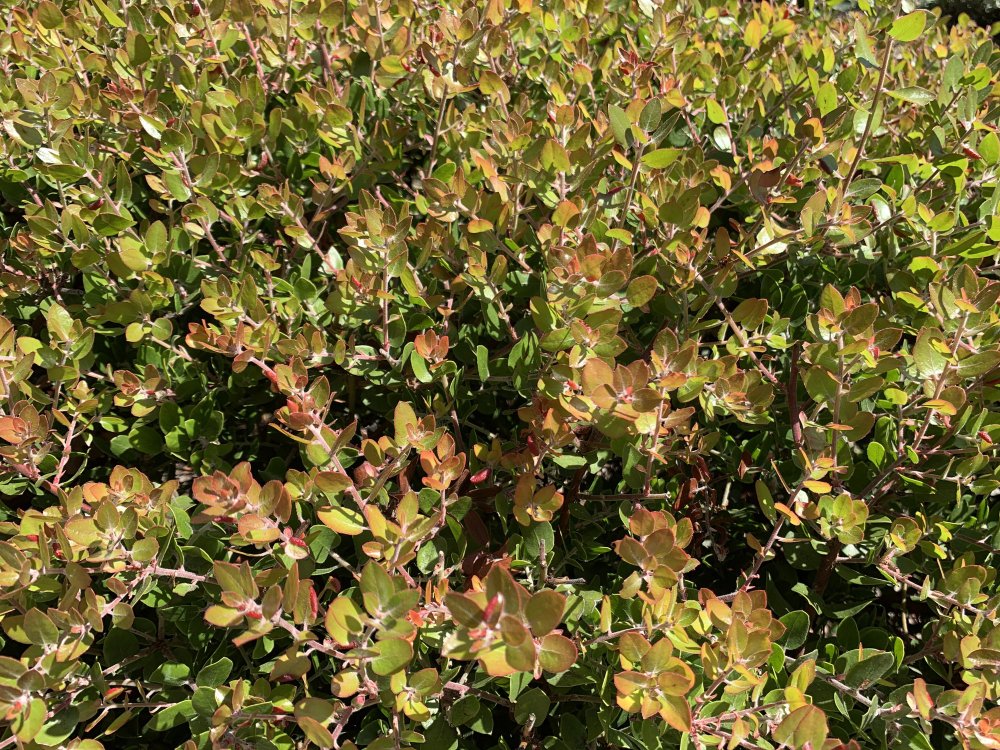
The South Jersey Pinelands have a deep history of agriculture, and learning about the plants that have always thrived here—and tapping into that wisdom—has been incredibly fulfilling.
Another amazing part of this journey has been connecting with other farmers. The farming community is full of people who are passionate about the land, and who are more than willing to share their knowledge, their mistakes, and their successes. We’ve had countless conversations over garden fences and market stalls with experienced farmers who know every trick in the book—from how to keep pests away without chemicals, to when to plant so that our harvest is at its best. These exchanges have been invaluable, reminding us that farming, at its heart, is a collaborative effort.
Our first year of farming has been a blend of growing, learning, and community. It has taught us to be patient, to accept failure as part of the process, and to find joy in even the smallest successes—like a perfectly dried herbal bundle, a jar of syrup that tastes just right, or a hen that lays her first egg in a fresh patch of pasture. Every day we learn more about our land, our community, and ourselves. We may not always get it right the first time, but that’s part of the adventure—one that we wouldn’t trade for anything. Thanks for being a part of our journey.